

Papa New Guinea Community Egg Project
The PNG Community Egg Production Project is designed as a practical, income-generating community enterprise rather than a conventional investment. Donor capital establishes the physical infrastructure and provides the working capital needed to begin production and expand the laying flock.
The project is intended to create jobs in Papua New Guinea, strengthen the incomes of participating families, increase local food production, and build a business that can eventually finance additional employment from its own cash flow.
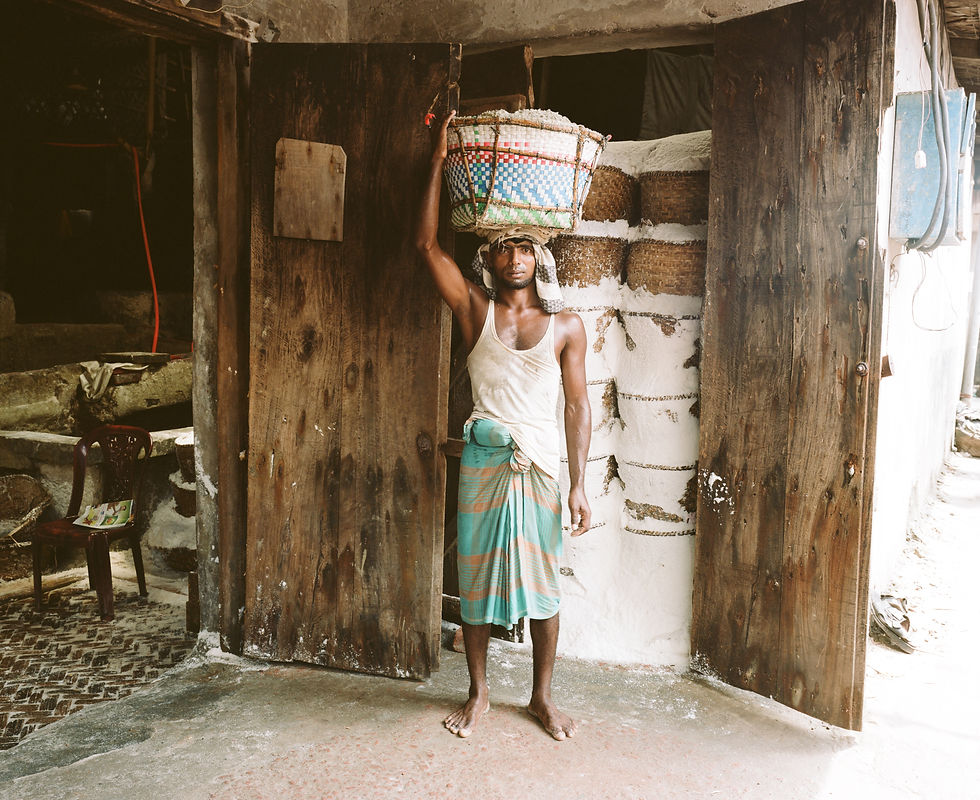
Help eliminate Food scarcity
Create local jobs
Build local economy and skill sets
1. Executive Summary
The PNG Community Egg Production Project is designed as a practical, income-generating community enterprise
rather than a conventional investment. Donor capital establishes the physical infrastructure and provides the
working capital needed to begin production and expand the laying flock. The project is intended to create jobs in
Papua New Guinea, strengthen the incomes of participating families, increase local food production, and build a
business that can eventually finance additional employment from its own cash flow.
The current plan begins with approximately 1,000 laying birds and expands in stages to 5,992 birds. Eggs are
modeled at K1.00 each with a 3% allowance for breakage and spoilage. Once the core egg operation is
established, future surplus cash is intended to support replacement birds, maintenance, expansion of the run, and
additional job-creating activities such as broiler production.
2. Funding Request
The current supporting schedules distinguish between K60,000 of initial infrastructure and K65,000 of initial working capital. Accordingly, the full fundraising requirement is K125,000. This structure avoids using the construction budget to fund birds, feed, payroll, and the early operating ramp.

3. Project Design and Community Impact
The initial coop is planned at 20 m x 10 m (200 m2), using a deep-litter system without cages. The initial outdoor
run is approximately 30 m x 60 m (1,800 m2) and is designed for roughly 1,500 birds at the first stage. The run is
intentionally modular so additional fenced sections can be added from farm cash flow as the flock expands.
Employment grows with the flock. The planning rule adds approximately one employee for every 700 additional
birds. The model also provides for a supervisor, rising wages as the project matures, land lease costs, utilities,
packaging, transportation, insurance, repairs and maintenance, and replacement/mortality costs.
Donors are not being offered an investment return. The social objective is to establish a durable local enterprise
whose operating surplus remains available for the farm, its workers, replacement and expansion needs, and future
PNG employment opportunities.
4. Core Operating Assumptions


5. 36 Month Outlook
The model reaches 5,992 birds in Month 16. The latest approved cash-control schedule records K72,134 at the end
of Month 16 and K1,156,514 at the end of Month 36. These figures are planning projections, not guarantees. Actual
results will depend on laying rates, mortality, feed prices, selling prices, collections, local construction costs, and
operating discipline.
An important reconciliation point remains in the working schedules: the transparent detailed operating build and the
previously approved cash-control figures do not produce identical monthly net cash flow after Month 16. For donor
presentation, the control schedule is preserved as the approved cash-flow checkpoint, while the detailed operating
schedule remains visible for transparency. The two should be fully reconciled before the schedules are treated as
an audited or final accounting ledger.
6. Stewardship and Reinvestment
Project funds should be maintained in a dedicated account with documented approvals for construction, bird
purchases, feed, payroll and major operating expenditures. Monthly records should track flock count, egg
production, spoilage, sales, feed usage, payroll, repairs, cash receipts and cash payments. Supplier quotations
should be obtained before construction commitments wherever practical.
Surplus cash should first protect the farms operating reserve and replacement needs. Additional funds can then be
used to expand the run, strengthen infrastructure, add birds where market demand supports them, and develop
future job-creating activities such as broiler production.
7. Donor Invitation
A contribution to this project is intended to do more than purchase equipment or chickens. It helps establish a
locally operated enterprise that can provide employment, recurring food production, practical skills and a pathway
toward greater economic independence for participating PNG families. The long-term measure of success is not a
financial return to donors, but a farm that can sustain itself, employ people, reinvest responsibly and create
additional opportunities.